The purpose of holding events in shopping malls is to attract the attention of urban consumers, boost product sales, and increase mall profits. When organizing an event, a mall event plan is typically prepared in advance. So, what is the process for developing a mall event plan? What are the key considerations in mall event planning?
The process of drafting a mall event plan begins with aligning it with the mall's event theme, which is the most crucial step. Only by clearly defining the purpose and significance of the event can a high-quality plan be developed. For example, if it is a promotional event, the plan should revolve around the concept of promotion, incorporating elements such as sales, discounts, and special offers as the foundation.

Next, detailed arrangements must be made for the event's specifics. These details include the event date and time, expected number of participants, required materials, budget, responsible staff during the event, and post-event summary.
Furthermore, safety responsibilities during the event must be addressed. When planning a mall event, it is essential to assess safety in advance. Since many consumers will attend, the mall should take proactive safety measures to prevent potential hazards.
Finally, promotional and marketing efforts should be carried out before the event begins. This can be done through media coverage, as well as online, television, and radio platforms. Promotion is vital to the event's success, as it helps attract consumer interest and ensures the event achieves its goals and value.
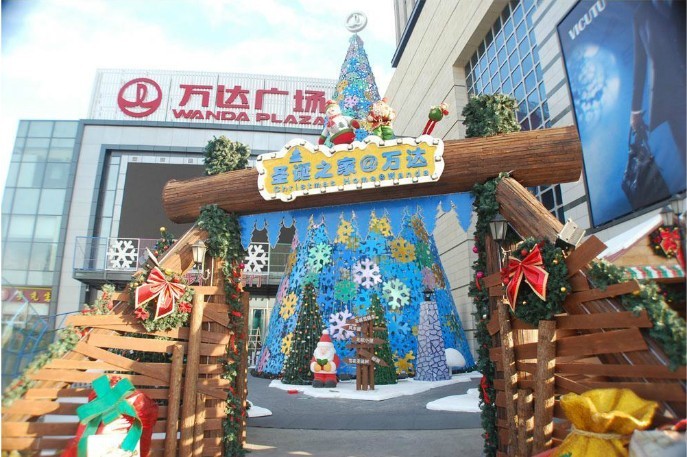
Nowadays, every city has many large shopping malls, and competition among them is fierce. In such a competitive environment, many malls regularly hold promotional events or anniversary celebrations to strengthen their market position and gain a competitive edge. Therefore, when developing a mall event plan, it is important to incorporate contemporary elements that cater to the needs of urban consumers, ensuring the event's effectiveness.