Every event needs a clear direction. Without a guiding principle to define the scope, the event planning is bound to fail. Event planning should set expectations and limits based on needs, attract participants, and convey the underlying meaning of the event so that others are more willing to help spread the word.
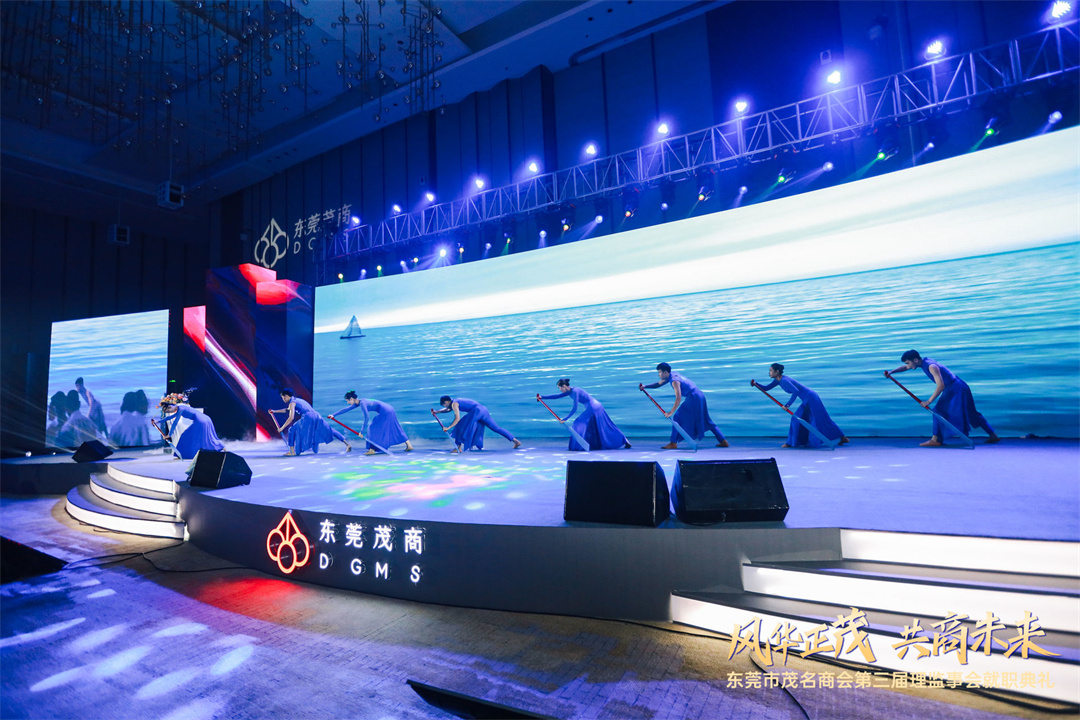
A successful event requires not only credibility and appeal but also strong execution. No matter how well-designed the plan is, poor execution can ruin it. Execution is reflected in the completeness of the process, the staff assigned to each step, time control, procurement of materials, and handling of unexpected situations. An event demands a strict, orderly, and consistent execution plan to run smoothly. Dedicated personnel will follow up on execution issues throughout to ensure the event's success.
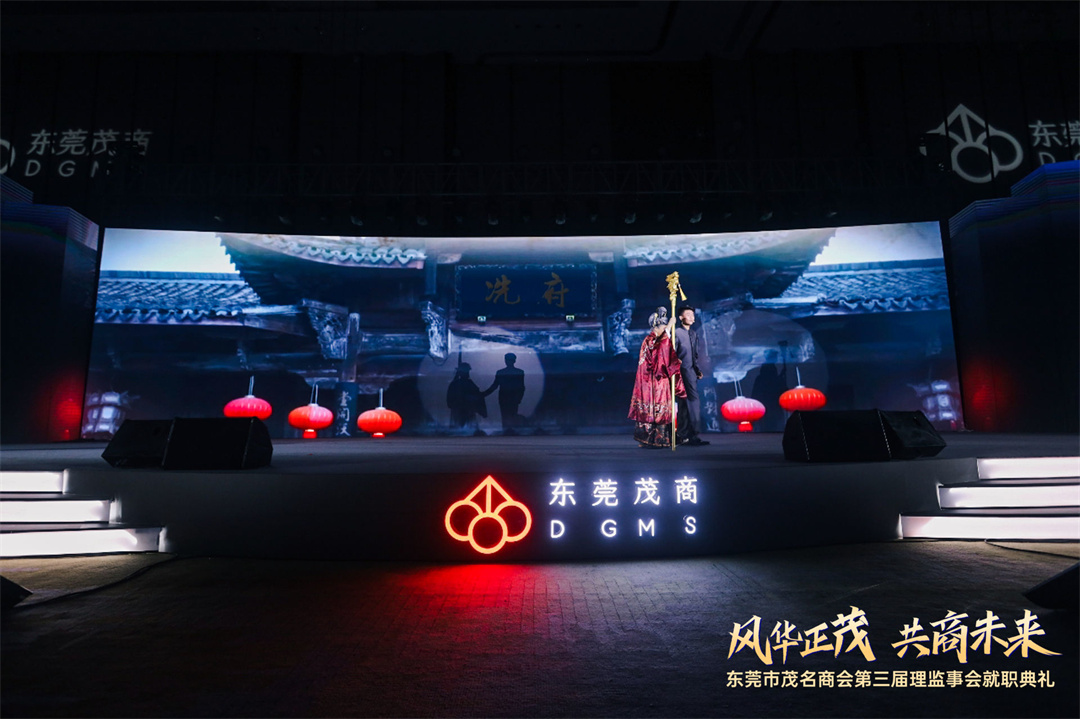
Event planning should maximize the brand promotion benefits for the company, conveying the brand culture to a wider audience and generating greater commercial value. The communication power of event promotion is shown in the pre-event, during-event, and post-event phases. In the pre-event phase, there needs to be buzz and use of hot topics and user interests to attract participation. During the event, the content and purpose, along with the corporate culture conveyed to users, are key. After the event, feedback from users about their experience is collected to further extend the promotional impact. We can use other channels to spread information and expand the event's influence, thereby achieving commercial value for the company.
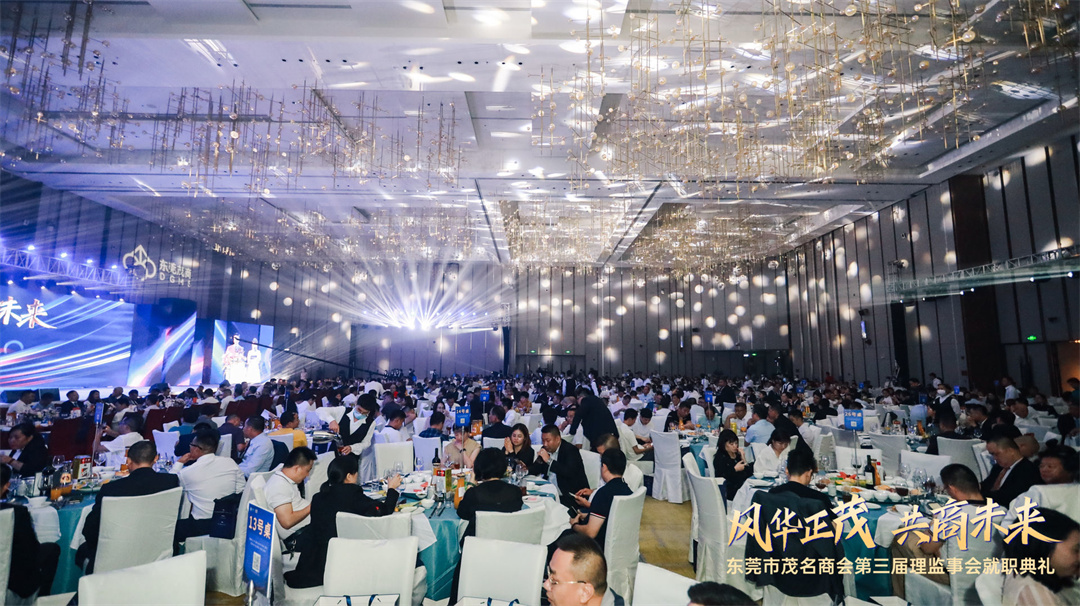
Keep the key elements of the event in mind, and craft the event plan to address users' curiosity, value orientation, sense of honor, and responsibility.